
Introduction
Vinyl enthusiasts appreciate the unique qualities of vintage speakers. These speakers bring a warmth and character to music that modern speakers often lack. This guide explores what makes vintage speakers special and offers advice on selecting, sourcing, and caring for them, ensuring an enriched audio experience for both seasoned collectors and newcomers.
Understanding Vintage Speakers
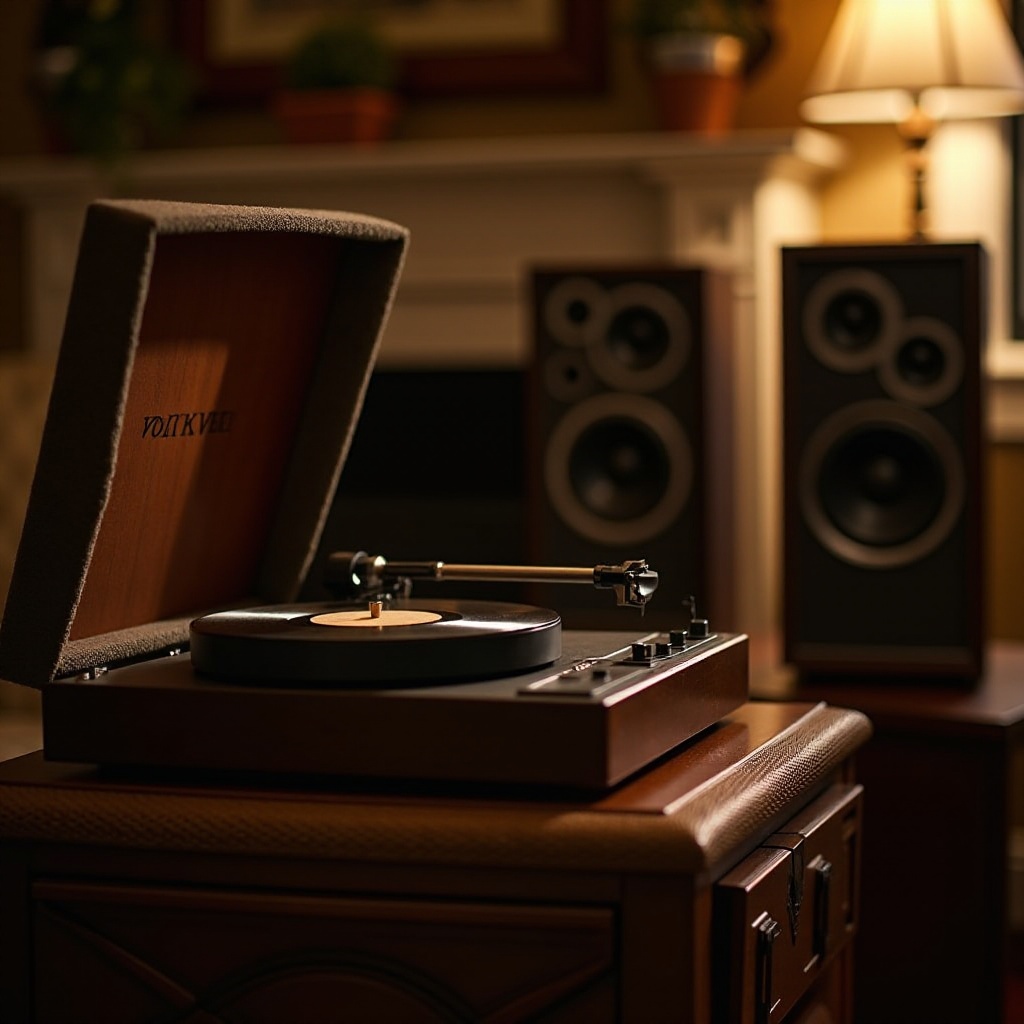
The allure of vintage speakers lies in their authentic sound and construction. Understanding what defines these speakers is crucial for any audiophile.
What Defines a Vintage Speaker?
Vintage speakers are typically over two decades old, crafted during a period focused on design and acoustic detail. This creates a warm and rich sound that resonates with listeners who value authenticity.
Key Components and Construction
The magic of vintage speakers comes from their components, such as paper cones and wooden cabinets. These materials contribute to a sound profile that’s both durable and emotionally resonant.
The Unique Appeal of Vintage Sound
Vintage speakers provide a sound quality that incorporates imperfections, offering a listening experience many find more natural. Audiophiles cherish this authenticity and historical connection to original performances.
Popular Types of Vintage Speakers
With their unique characteristics in mind, let’s explore the types of vintage speakers available today.
Floor-standing versus Bookshelf Models
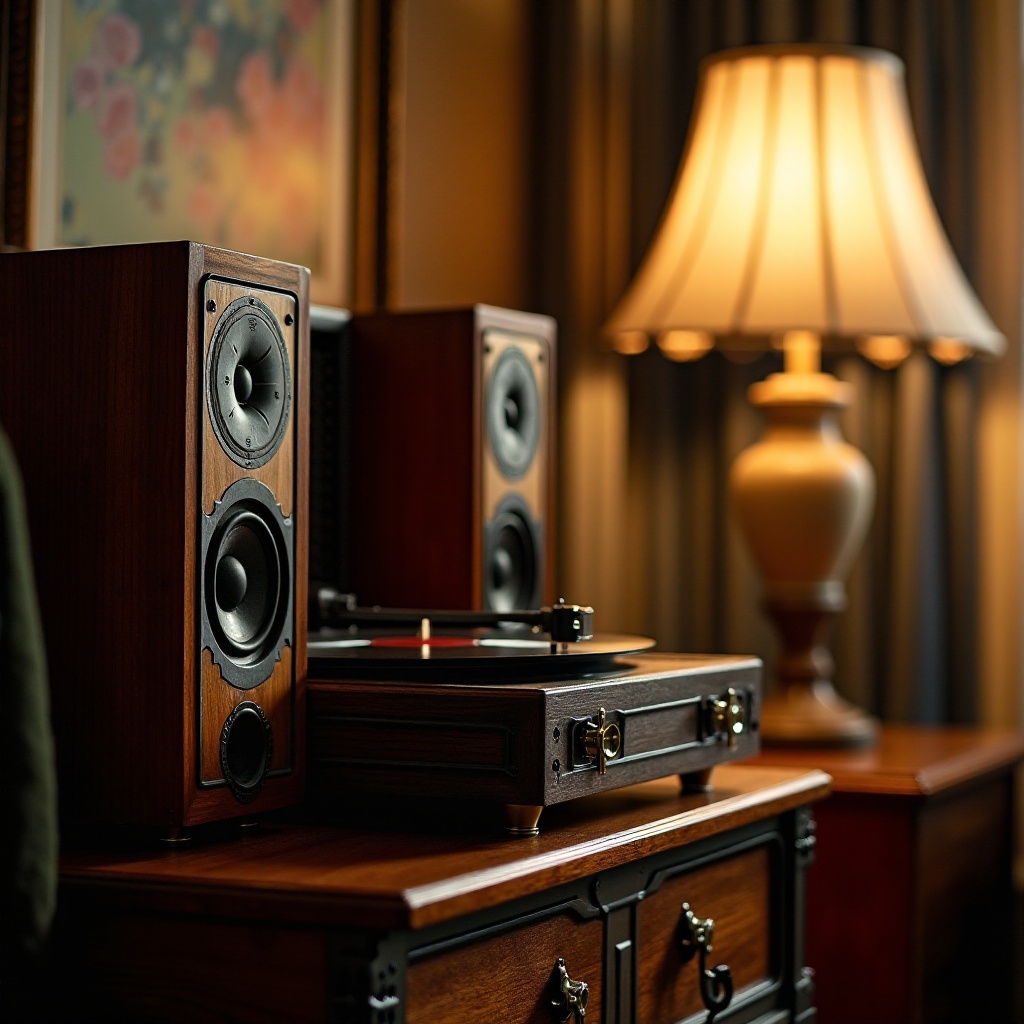
Floor-standing models deliver powerful bass and broad soundstage, ideal for larger rooms. On the other hand, bookshelf speakers fit well in smaller spaces while still providing a full range of sound, appealing to various room configurations.
Renowned Vintage Speaker Brands
Brands like Klipsch, Wharfedale, and JBL have left a significant mark on the vintage market, known for producing exceptional sound quality and durable designs. These brands are a testament to lasting audio legacy.
Notable Eras in Vintage Speaker Design
Distinctive designs mark each era of audio history. The ornate cabinetry of the 50s and 60s contrasts with the sleeker styles of the 70s and 80s, influencing collector preferences and the appreciation of different sound profiles.
Ensuring Compatibility with Your Record Player
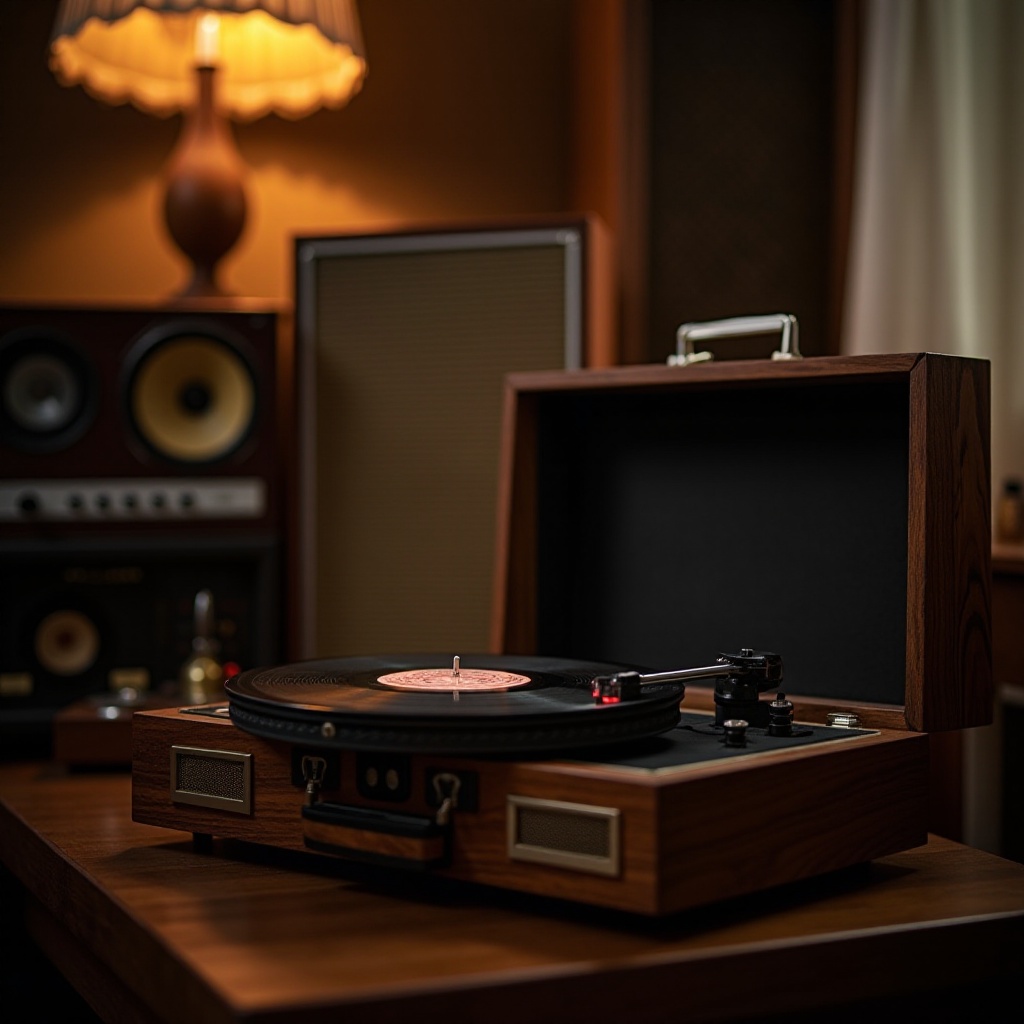
Choosing the right vintage speakers isn’t just about aesthetics. Ensuring compatibility with your record player is key to achieving optimal sound.
Technical Specifications to Consider
Check the impedance and power handling of speakers relative to your amplifier and record player. Incorrect matches can lead to subpar sound or even damage.
Matching Sound Profiles
Consider what sound characteristics you prefer, such as deeper bass or clearer highs. Aligning these with the speaker’s output ensures a rewarding listening experience.
Testing Sound Quality for Optimal Performance
Before buying, test speakers with familiar records to assess clarity, balance, and absence of distortion. The right match will enhance both speaker and player qualities.
Where to Source Vintage Speakers
Finding the perfect vintage speakers can be an adventure, with several avenues to explore.
Online Marketplaces and Retailers
Websites like eBay and specialty retailers offer a vast selection of vintage speakers. Ensure the authenticity of products by checking reviews and seller reputations.
Local Shops and Estate Finds
Pawn shops, thrift stores, and estate sales can offer hidden gems. In-person shopping provides the opportunity to inspect and test the speakers, ensuring the best choice.
Engaging with Audio Communities
Participating in audio forums and communities can provide valuable insights and access to rare models. These networks are also great for advice on maintenance and restoration.
Restoration and Maintenance Tips
Proper maintenance is essential to preserve the beauty and functionality of vintage speakers. Here’s how you can do it effectively.
Basic Restoration Techniques
Begin with careful cleaning to remove dust from grilles and cones. Sand and refinish wooden cabinets to restore their luster and aesthetic appeal.
Tools and Supplies for Speaker Maintenance
Equip yourself with a multimeter for electrical checks and basic tools for repairs. Maintenance supplies like speaker cloth and polish will help in routine care.
Common Issues and Solutions
Be prepared to handle common problems like cone wear or coil damage. While minor repairs can be done at home, severe issues may require professional assistance. Regular checks prevent long-term damage.
Conclusion
Vintage speakers offer more than just sound; they provide a connection to the past and a depth to music that’s hard to find elsewhere. By understanding their features, ensuring proper compatibility, sourcing creatively, and maintaining diligently, you can enjoy unparalleled audio experiences.
Frequently Asked Questions
What should I look for when buying vintage speakers?
Check for signs of wear, the condition of cones, and ensure the impedance matches your amplifier’s specifications.
How do I know if a vintage speaker is compatible with my record player?
Ensure that the impedance and power handling capacities align with your amplifier’s capabilities.
Are there modern enhancements that can be made to vintage speakers without affecting their sound quality?
Upgrading cables and connectors can improve reliability while preserving the original sound character by avoiding major component changes.