
Introduction
The choice between LED and OLED technology is crucial for enhancing a smart home device experience. Understanding the unique features and differences of these technologies is key to making informed decisions. Both LEDs and OLEDs offer unique advantages, each catering to different smart home needs. This article explores their lifespan, energy efficiency, visual quality, and environmental impact to ascertain which is more suitable for smart home enthusiasts.
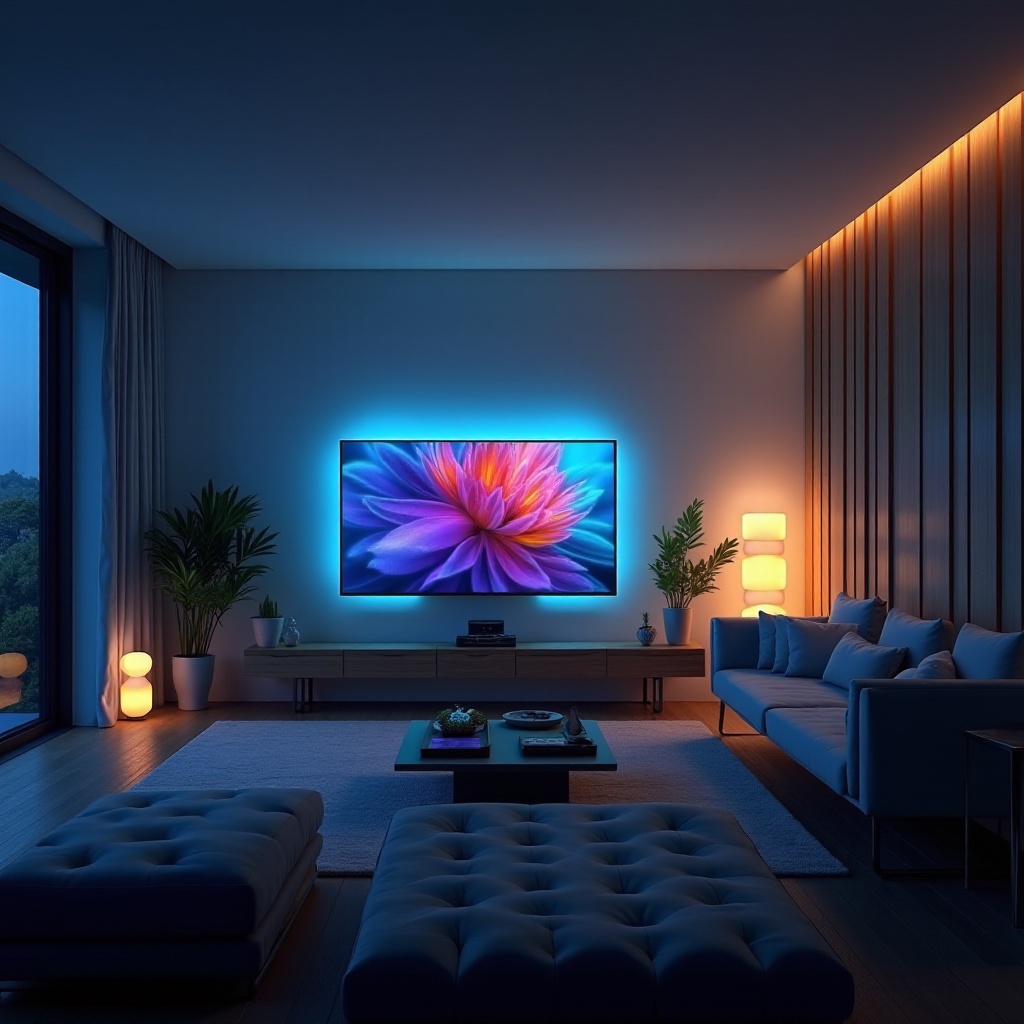
Understanding LED and OLED Technologies
What Are LEDs?
LEDs, or Light Emitting Diodes, are semiconductor devices that emit light when an electric current passes through them. Known for their efficiency and durability, LEDs have diverse applications, from smart lighting to visual displays.
What Are OLEDs?
OLEDs, or Organic Light Emitting Diodes, use organic compounds to produce light. Celebrated for exceptional display quality, OLEDs deliver deeper blacks and vibrant colors, making them ideal for high-end smart TVs and displays.
Key Differences Between LEDs and OLEDs
Despite serving similar functions, LEDs and OLEDs have structural differences. LEDs are generally more rigid while OLEDs are flexible, allowing for sleeker screens. This flexibility enhances OLEDs’ contrast and viewing angles but often comes with a higher initial cost.
Longevity of LEDs and OLEDs
Lifespan of LED Displays
LEDs are prized for their long lifespan, typically ranging from 20,000 to 50,000 hours depending on design and usage. This longevity makes them a reliable option for devices requiring continuous operation, such as home security systems.
Lifespan of OLED Displays
OLEDs, while offering superior picture quality, generally have a shorter lifespan of 14,000 to 30,000 hours. Their sensitivity to moisture and degradation in bright settings can affect their longevity.
Factors Affecting Longevity in Smart Home Applications
Various factors influence these technologies’ lifespans, including usage patterns, environmental conditions, and temperature. Proper placement and maintenance can extend the lifespan of both LEDs and OLEDs in smart home settings.
Energy Efficiency and Cost Implications
Energy Consumption: LEDs vs. OLEDs
LEDs are recognized for their energy efficiency, usually consuming less power despite offering high brightness levels, thus reducing energy costs. Conversely, OLEDs consume more power when displaying bright scenes or white backgrounds.
Cost Analysis: Initial Investment and Long-Term Savings
Although OLEDs often require a higher upfront investment due to their display qualities, LEDs provide long-term energy savings, making them a cost-effective choice. Balancing initial costs and energy savings is essential for device purchasers.
Impact on Smart Home Energy Usage
Opting for energy-efficient displays can significantly cut down a household’s electricity consumption. With lower power requirements, LEDs contribute substantially to a greener smart home environment.
Visual Quality and User Experience
Brightness and Contrast Comparison
While LEDs offer bright displays suited for various lighting conditions, OLEDs excel in contrast, offering unmatched depth and color precision. This quality enhances the viewing experience for smart home entertainment systems.
Color Accuracy and Viewing Angles
OLEDs outperform LEDs in terms of color richness and viewing angles, maintaining consistent color fidelity from various positions. This feature is beneficial for communal spaces where multiple people view screens simultaneously.
Impact on Streaming and Gaming in Smart Homes
For high-definition content and immersive gaming, OLEDs provide vivid, lifelike images, making entertainment more engaging. LEDs, though less vibrant, remain suitable for general use in family rooms and basic home setups.
Environmental Considerations
Sustainability of LED Technology
LEDs are eco-friendly, containing no hazardous materials and using less energy. Their long lifespan also means fewer replacements, reducing waste overall.
Environmental Impact of OLEDs
OLEDs have a more significant environmental footprint due to complex manufacturing processes. Nevertheless, their lightweight and flexible nature can reduce material usage, offering some ecological benefits.
Recycling and Disposal Considerations
Proper recycling and disposal of both technologies are critical. Generally, LEDs are easier to recycle than OLEDs. However, ongoing improvements in OLED recycling processes aim to lessen their environmental impact.
Future Developments and Trends
Innovations in LED Technology
Technological advancements continue to enhance LED energy efficiency and adaptability, with improvements like smart controls and increased brightness.
Advances in OLED Displays
OLED technology is rapidly advancing, promising better lifespan and efficiency. Many manufacturers focus on reducing costs and enhancing durability, making OLEDs more competitive in the market.
Conclusion
Both LEDs and OLEDs present valuable options for smart home applications. LEDs impress with their durability and energy efficiency, whereas OLEDs shine with superior visual quality. The choice depends on the specific needs and overall smart home setup preferences of the user.
Frequently Asked Questions
Do LEDs offer better value for money than OLEDs?
Yes, especially for users prioritizing longevity and energy savings. LEDs typically provide a better long-term return on investment.
Are OLEDs more environmentally friendly than LEDs?
OLEDs have a more complex manufacturing process, potentially increasing their environmental impact. Improvements in recycling could change this dynamic.
Which technology is better for a smart home setup?
It depends on priorities: LEDs for energy efficiency and longevity, or OLEDs for superior visual quality, especially in entertainment-focused setups.