
Introduction
Choosing the right pacifier for your preemie is crucial. With their tiny size and unique developmental needs, preemies require special consideration regarding comfort and safety. This guide aims to simplify your decision-making process by offering insights into what makes a pacifier suitable for preemies and reviews of the top options available in 2024. Whether you’re a new parent or seeking better pacifier alternatives, this guide covers all bases to help you make an informed choice.
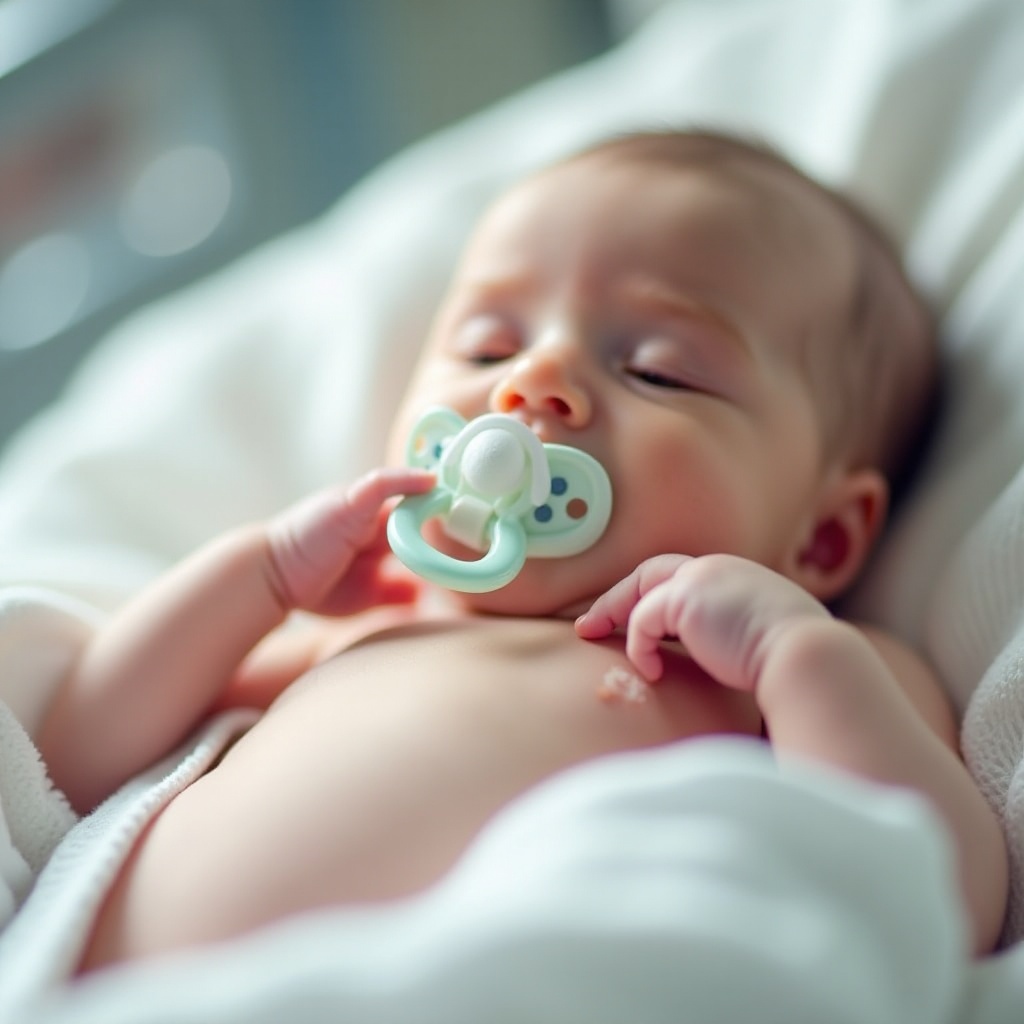
Understanding the Unique Needs of Preemies
Preemie babies, often born before 37 weeks, have particular needs. Their feeding patterns and oral development differ from full-term infants, making appropriate soothing tools essential. A pacifier that fits well can encourage proper oral development and provide much-needed comfort. Preemies might be more prone to certain health issues, so understanding these nuances underscores why the right pacifier is more than just a convenience—it’s a necessity for their well-being.
Key Features to Look for in a Preemie Pacifier
When considering a pacifier for your preemie, certain features stand out as non-negotiable for ensuring both safety and comfort.
- Material: Opt for BPA-free, silicone pacifiers that are durable and hypoallergenic. Silicone is favored for its smooth surface and ease of cleaning.
- Size and Shape: Preemie pacifiers typically feature a smaller nipple and shield to better fit the baby’s tiny mouth. Look for orthodontic shapes that promote healthy teeth alignment as the baby grows.
- Design and Ease of Use: A simple, one-piece design minimizes choking hazards and makes cleaning easier. A lightweight and contoured shield that gently curves away from the face can prevent skin irritation.
Choosing a pacifier with these features not only supports physical health but also enhances your preemie’s comfort, making the transition smoother for both parent and child and prepares you for exploring the best options out there.
Top Preemie Pacifiers of 2024: Detailed Reviews
To assist in your choice, we’ve reviewed some of the leading pacifiers tailored to preemie needs.
Brand 1: Features and Benefits
Brand 1 offers a silicone pacifier renowned for its soft, orthodontic design. Pediatricians recommend it for its ergonomic fit and gentle impact on oral development. Parents praise its ease of cleaning and durability.
Brand 2: What Makes It Stand Out
Brand 2 is celebrated for its innovative airflow technology. This ensures the shield doesn’t irritate the baby’s skin and allows for easier breathing. It also features a collapsible nipple that adapts to the baby’s mouth movements.
Brand 3: Parent and Expert Reviews
Brand 3 distinguishes itself with a lightweight, one-piece construction that eliminates any potential for part detachment. User feedback highlights its long-lasting material and comfort, while experts commend its safe design and affordability.
Having reviewed these top pacifier choices, it’s essential to consider their safety aspects as part of your decision.
Safety and Health Considerations
Choosing the right pacifier extends beyond comfort—it’s about safeguarding your preemie’s health. Be sure any chosen pacifier meets stringent safety standards. Check for certifications like BPA-free labels and compliance with pediatric guidelines. Regular inspections are vital; replace pacifiers at the first sign of wear or damage to prevent choking hazards. Hygiene should also be a priority—sanitize pacifiers regularly to eliminate bacteria harmful to sensitive immune systems, ensuring the choice you make is both safe and supportive of their health.
Expert Insights: Pediatricians and Speech Therapists
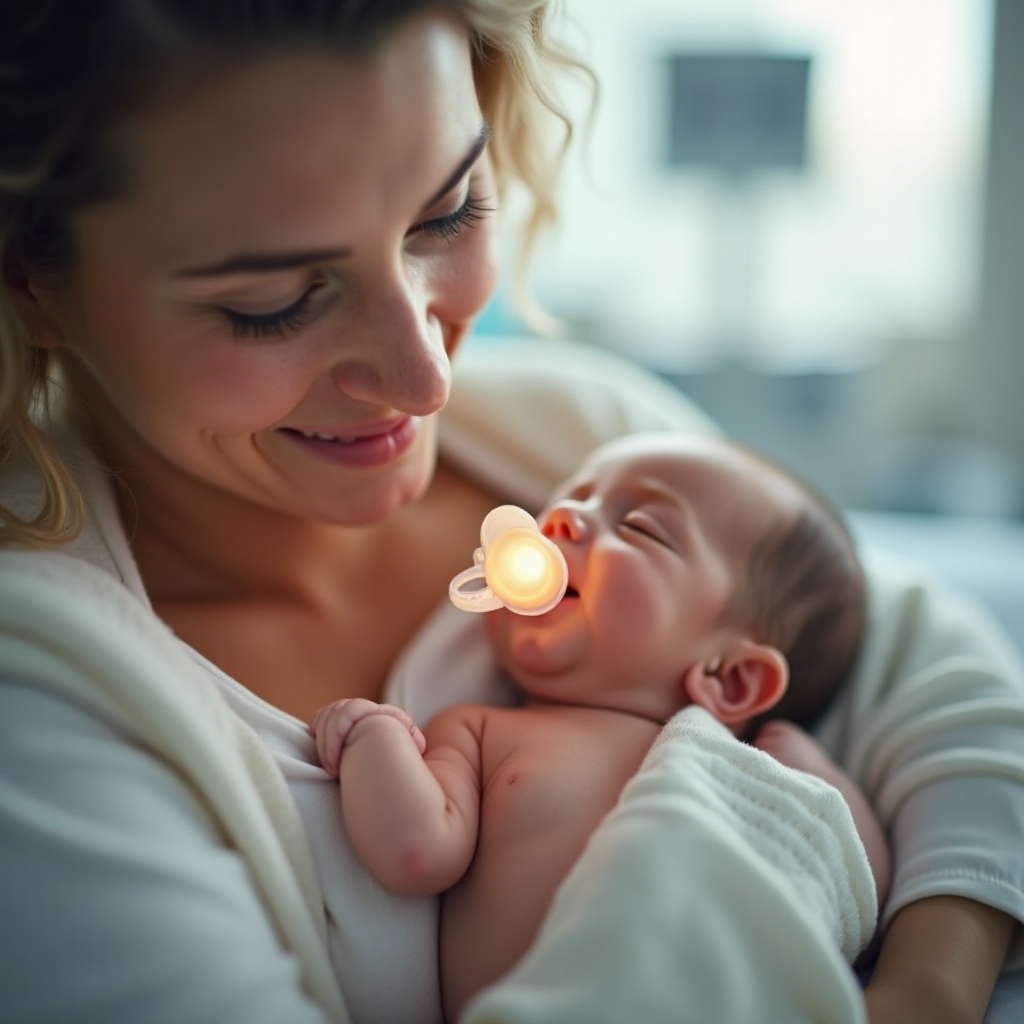
Expert advice rounds out our understanding of the best pacifiers for preemies. Pediatricians highlight the role of a pacifier in reducing sudden infant death syndrome (SIDS) risks. However, they emphasize the need to balance pacifier use with breastfeeding efforts to avoid nipple confusion. Speech therapists provide insights on orthodontic designs that promote proper tongue and mouth development, helping prevent speech impediments later in life. Their expert opinions lend credibility to your pacifier choices, assuring the best development outcomes for your preemie.
With expert insight, you can proceed confidently, making a balanced and beneficial pacifier decision for your baby.
Practical Tips for Parents: Choosing and Using Pacifiers
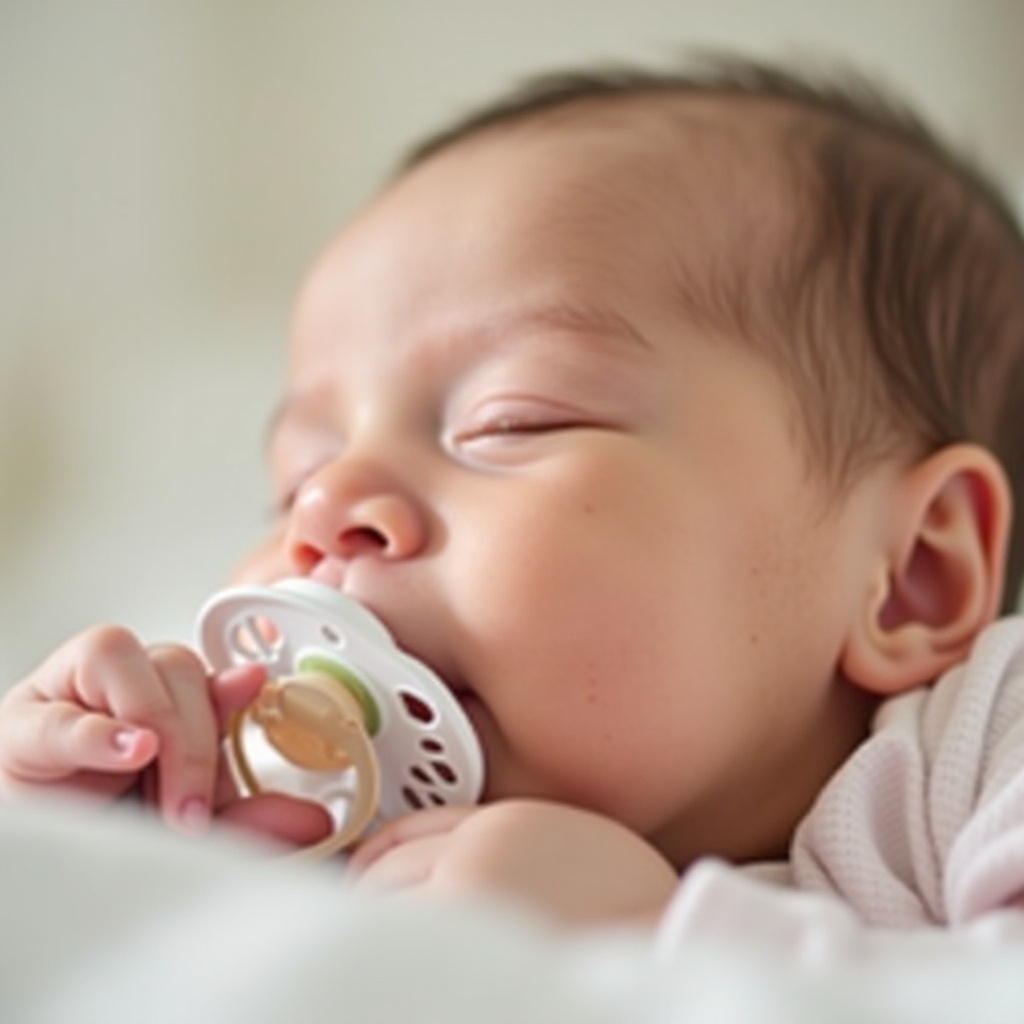
Navigating the early days of parenting a preemie can be challenging. Here are practical tips to help:
- Evaluate different pacifier brands and select one that fits comfortably and securely.
- Introduce the pacifier during calm moments to create a positive association.
- Monitor your baby’s reaction and willingness to accept a pacifier. Some trial and error may be necessary.
- Prioritize cleaning for baby’s safety—boil new pacifiers before use and replace them regularly.
These tips are designed to alleviate common concerns parents face, ensuring both confidence in using pacifiers and comfort for your preemie.
Conclusion
Choosing the best pacifier for your preemie involves understanding their specific needs and the options available. With the right pacifier, you not only provide comfort but also support their early development meaningfully. This comprehensive guide is here to assist you in making an informed decision. Let this knowledge empower you in choosing the safest and most comfortable pacifier for your precious preemie.
Frequently Asked Questions
How often should I replace a preemie pacifier?
Replace preemie pacifiers every four to six weeks or immediately if you notice any signs of wear or damage.
Can using a pacifier cause nipple confusion in preemies?
Nipple confusion is possible, but can be minimized by ensuring a good balance between pacifier use and breastfeeding sessions—especially in the early weeks.
When should my preemie stop using a pacifier?
Experts generally recommend weaning off the pacifier by 12 months to avoid dependency and support the development of speech skills.