
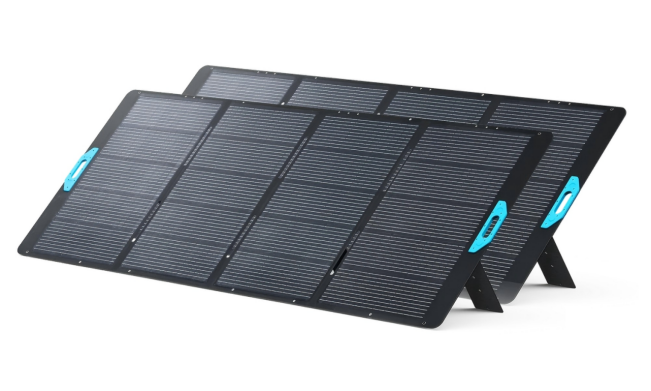
Weather shifts from season to season, week to week, and sometimes hour to hour. These changes influence how consistently solar panels deliver power at home. While panels are engineered for durability, their real-world reliability depends on sunlight availability, temperature swings, moisture exposure, and storm conditions. Homeowners planning a long-term energy strategy must understand how these weather patterns affect day-to-day output and long-term stability. Portable equipment such as the Anker SOLIX PS400 Portable Solar Panel offers a clear demonstration of how angle adjustment, waterproofing, and high-efficiency cells help maintain production even during inconsistent weather. These insights help families build more realistic and resilient energy plans for a panels solar home setup.
How Weather Creates Fluctuations in Solar Panel Performance?
Sunlight Variability Shapes Daily and Seasonal Output
Weather determines how much sunlight reaches a panel each day. Cloud cover, haze, and short winter daylight hours all reduce potential energy production, even when the system is working perfectly. Homeowners often notice inconsistent outputs from month to month, which is normal because solar power depends on available radiation rather than a fixed supply. Seasonal differences can reach 50% or more in some regions. This makes flexible positioning valuable. A portable option like the Anker SOLIX PS400 gives homeowners a direct demonstration of how angle and sunlight conditions influence performance. With four preset tilt angles, users can capture more sunlight in winter, early morning, or late afternoon, making variability easier to manage.
Temperature Extremes Influence Electrical Efficiency
Both heat and cold affect how reliably panels perform. Solar cells operate less efficiently when they overheat, causing output to drop during heatwaves despite bright sunlight. Extreme cold, meanwhile, does not harm efficiency but may affect supporting hardware. Sudden temperature swings can stress mounting components and wiring. These effects explain why production dips on unusually hot days even when the sky is clear. The PS400 illustrates how good engineering helps maintain output. Its monocrystalline cells and sunlight-trapping surface maximize conversion under a wide temperature range, allowing users to see how quality materials help counter typical weather challenges. This comparison reinforces the idea that durability and efficiency matter as much as installation location.
Moisture and Precipitation Add Long-Term Reliability Factors
Rain, snow, and humidity all influence how a solar system performs over time. While rainfall helps clean panels, excessive moisture can stress seals and connectors on older installations. Snow accumulation temporarily blocks sunlight, requiring homeowners to clear surfaces to restore production. Coastal humidity accelerates corrosion if hardware is not properly protected. This is where equipment design becomes critical. The Anker SOLIX PS400 includes IP67 waterproof protection, giving homeowners a clear example of how robust sealing prevents moisture intrusion. Its ability to operate during wet conditions shows how high-quality construction supports reliable use outdoors, which mirrors the type of protection homeowners should expect in their fixed installations.
How Weather Variability Influences Long-Term Planning and Usage Decisions?
Energy Planning Must Account for Unpredictable Weather
Homeowners who rely on solar must plan for days when the system cannot reach full output. A week of rain or a winter stretch of low-angle sunlight can create energy shortages when expectations are not aligned with seasonal patterns. Families learn to shift high-power activities—laundry, cooking, or EV charging—toward the sunniest periods. Portable solutions such as the PS400 make this adaptation intuitive. By allowing users to place a panel anywhere with clear sunlight, the PS400 creates a buffer during low-production days. This hands-on flexibility helps homeowners think about solar as a dynamic resource shaped by weather patterns instead of a fixed, guaranteed supply.
Backup Strategies Depend Heavily on Weather Trends
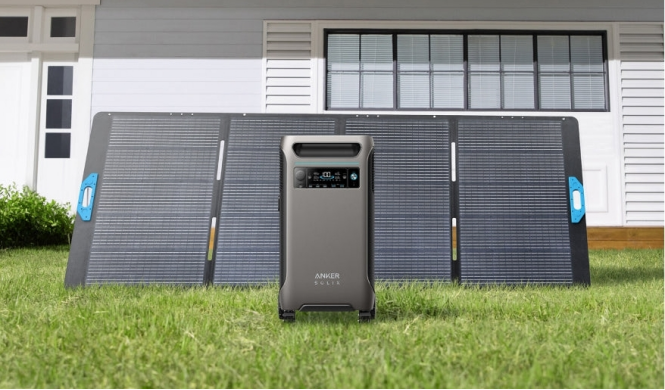
Weather directly affects how reliable a solar-backed home becomes during outages. Storms that cause blackouts often coincide with periods of low sunlight, creating a double challenge for households without backup storage. Panels also cannot produce during heavy snowfall or severe storms until the system is cleared and sunlight returns. This is why many solar homes add batteries or supplemental portable systems. A foldable, high-efficiency panel like the PS400 can recharge compatible power stations during breaks in bad weather, helping families maintain essential devices until grid power is restored. This demonstrates how portable units strengthen reliability when fixed panels face unfavorable weather conditions.
Long-Term Hardware Resilience Depends on Climate Exposure
Areas with intense UV radiation, hail, frequent storms, or salt-heavy coastal air create more demanding environments for long-term solar reliability. Over time, weather exposure influences panel lifespan, inverter performance, and mounting stability. Homeowners who understand these factors make better decisions when selecting equipment—such as choosing reinforced frames, durable connectors, or hardware rated for high humidity. The durability of the PS400, which withstands outdoor conditions thanks to its robust build and weatherproofing, provides a practical example of what resilient design looks like. Observing its stability during camping, travel, or outdoor work makes it easier to evaluate what features matter in rooftop systems.
Conclusion
Weather variability plays a central role in how solar panels perform and how reliable they remain over the years. Cloud cover, seasonal sunlight changes, heatwaves, snow, and humidity all influence output and hardware durability. When homeowners understand these factors, they plan more effectively, adjust energy use intelligently, and choose equipment that withstands local climate conditions. Portable high-efficiency solutions like the Anker SOLIX PS400 Portable Solar Panel illustrate how angle control, strong conversion rates, and waterproof engineering help counter unpredictable weather. By recognizing how weather shapes production and reliability, families create more stable and resilient home energy setups that work well across the full spectrum of environmental conditions.