
Robot vacuums effectively clean homes by leveraging a combination of navigation technologies and advanced sensors. They smartly traverse space, adapting to your home’s unique layout. Equipped with AI, these devices adjust their paths according to dynamic environments, ensuring thorough cleaning. By comprehending various navigation mechanisms, homeowners can optimize their usage and maximize the device’s efficiency in different room settings. Whether navigating tight corners or expansive open areas, these intelligent cleaners consistently deliver pristine results. Understanding what to look for in robot vacuum models—such as navigation accuracy, sensor intelligence, and adaptability—helps you choose the best option based on your needs. Let’s delve into the core technologies that make robot vacuums an indispensable tool for modern homeowners.
Core Navigation Technologies in Robot Vacuums
Random Bounce vs. Systematic Path Cleaning
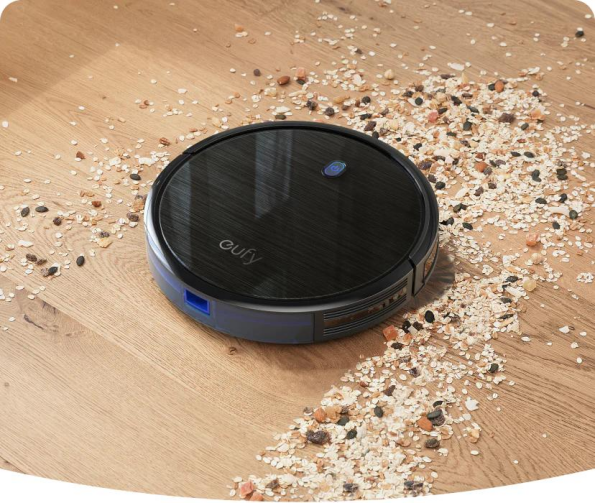
Robot vacuums deploy two primary navigation methods: random bounce and systematic path cleaning. Random bounce, used in basic models, involves moving in a straight line until the device encounters an obstacle, then altering direction. This approach is straightforward but can result in uneven cleaning or missed spots. Higher-end models utilize systematic cleaning, covering areas in a methodical pattern. This technology uses sensors and algorithms to map the room, ensuring complete coverage. By adhering to a deliberate path, vacuums minimize overlap and conserve energy. This method accommodates different floor plans, improving efficiency by strategically managing power and optimizing cleaning time. The choice between these methods influences cleaning thoroughness and time efficiency in daily operations.
Gyroscope and Optical Tracking Systems
Gyroscopes and optical tracking systems enhance navigation precision in robot vacuums. Gyroscopes help maintain the device’s orientation, providing stability and aiding in consistent path execution. By measuring rotation and acceleration, gyroscopes ensure the robot stays on its intended course, even on uneven surfaces. Optical tracking systems, on the other hand, utilize a downward-facing camera to track patterns on the floor. This data allows the vacuum to estimate movement and adjust paths accordingly. The integration of these technologies enables consistent performance across different flooring types and household layouts. Together, they facilitate precise adjustments and efficient navigation, ensuring every inch of your home receives attention without unnecessary repetition.
Advanced Mapping and Smart Navigation Systems
LiDAR Mapping and Real-Time Room Scanning
LiDAR (Light Detection and Ranging) mapping is at the forefront of sophisticated vacuum navigation. By emitting laser beams, LiDAR sensors create real-time three-dimensional maps of the surroundings. This enables the vacuum to detect obstacles with high accuracy and plan efficient routes. Real-time scanning allows the vacuum to identify changes in its environment and adapt instantly. LiDAR’s precision ensures comprehensive cleaning, adeptly handling complex layouts and crowded spaces. As the vacuum progresses, it continuously updates its internal map, ensuring optimal coverage. LiDAR-equipped vacuums provide superior performance in navigation and coverage, efficiently managing dynamic household environments and delivering meticulous cleaning results with each session.
Camera-Based Visual Navigation and AI Recognition
Camera-based visual navigation leverages on-board cameras to interpret surroundings, complementing LiDAR systems. By capturing visual data, these vacuums discern objects and features, differentiating between furniture and open floor space. AI recognition enhances this capability by enabling the vacuum to learn from its environment. The AI processes visual information to identify familiar objects, predict obstacles, and adapt cleaning paths. This fusion of camera technology and AI equips vacuums with a nuanced understanding of household layouts. Over time, AI-driven vacuums refine their strategies, becoming more adept at efficient navigation. This dynamic learning process ensures that vacuums consistently improve and maintain optimal cleaning performance.
Sensors, Software, and Real-World Performance
Obstacle Detection, Cliff Sensors, and Room Boundaries
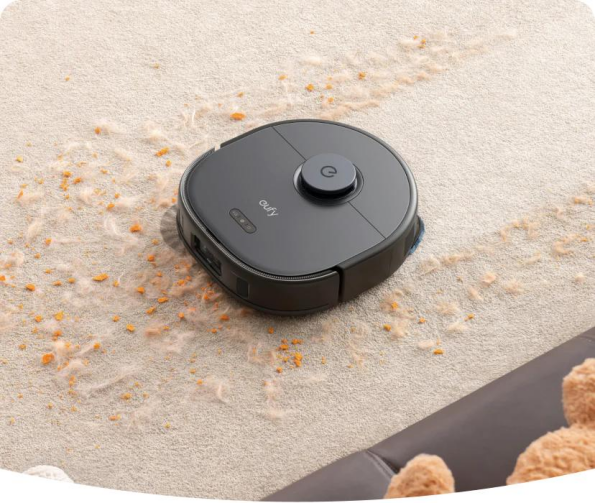
Robust sensor systems are crucial for effective vacuum navigation. Obstacle detection sensors utilize infrared and ultrasonic technology to identify nearby objects, preventing collisions. Cliff sensors, often placed underneath the device, detect edges and prevent falls on stairs or ledges. These sensors ensure safe operation across multi-level homes. Room boundary sensors, or virtual wall barriers, delimit cleaning areas, restricting access to certain zones or rooms. This targeted cleaning capability is invaluable for busy households, allowing specific rooms to remain untouched. Together, these sensors guide the vacuum, ensuring efficient, safe operation throughout the home, avoiding potential damage and maintaining consistent performance.
App Control, Multi-Floor Maps, and Zone Cleaning
Modern vacuums feature app-based control systems, granting users extensive customization over cleaning processes. These applications allow homeowners to schedule cleaning sessions, adjust settings, and monitor progress remotely. Multi-floor mapping capabilities enable vacuums to recognize and store maps of different levels in a house. This feature streamlines cleaning transitions across floors without manual intervention. Zone cleaning provides targeted attention to specific areas needing intensive cleaning. Users can define high-traffic zones or avoid delicate spaces using the app’s intuitive interface. These advanced control features enhance user experience, adapting the vacuum’s operation to suit individual household needs and ensuring optimal performance with each task.
Conclusion
Understanding how robot vacuums navigate homes reveals their technological sophistication and practical benefits. From basic random patterns to advanced LiDAR mapping and AI-driven systems, these devices adapt to diverse environments. Equipped with state-of-the-art sensors, they avoid obstacles and optimize paths, ensuring reliable cleaning. Smart applications further enhance user interactions, maximizing convenience. Choosing the right robot vacuum involves considering these technologies and how they apply to your living space, ensuring efficient and thorough home maintenance without direct intervention.