
Introduction
The right speakers can transform your home audio experience, especially when it comes to bass. Bass adds depth and impact, making movies, music, and gaming more immersive. This guide covers essential features for choosing high-quality bass speakers and provides tips for optimizing your home setup.
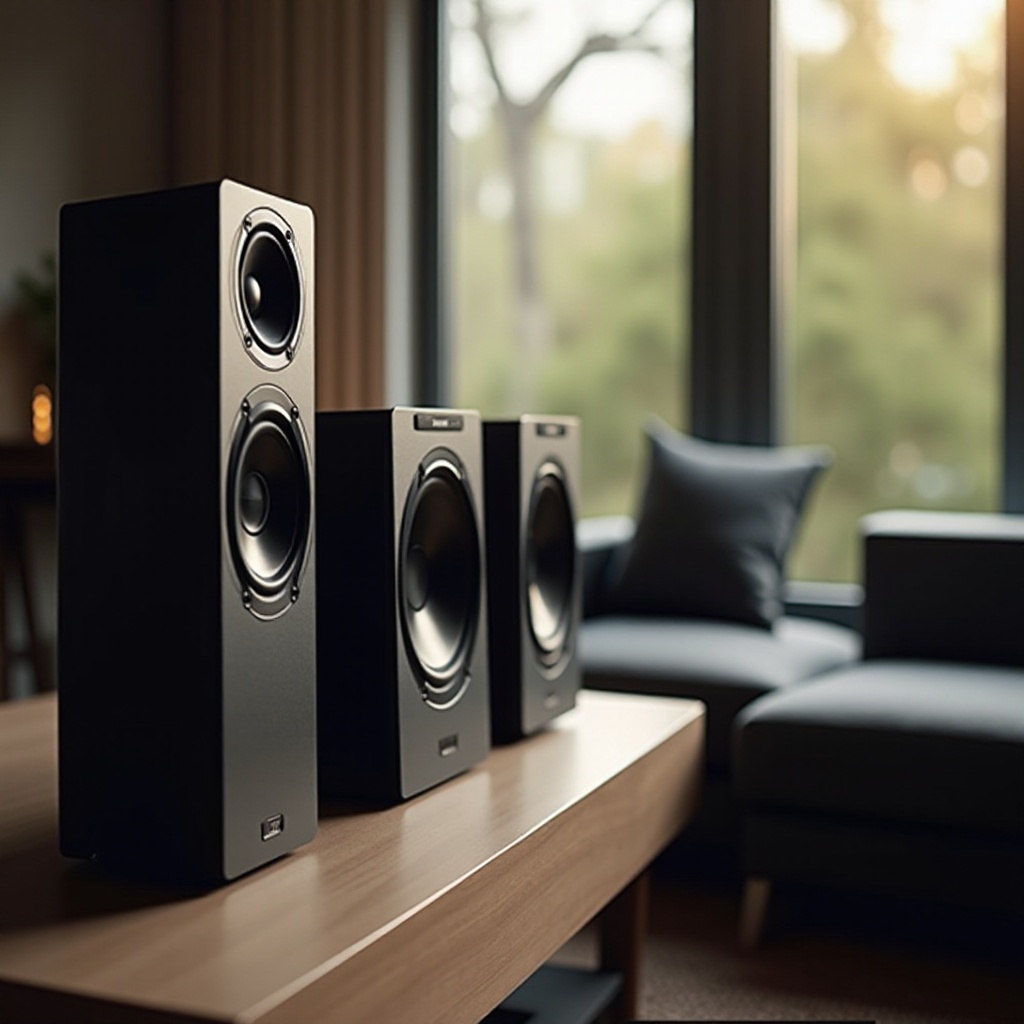
Understanding the Importance of Bass in Home Audio
Bass forms the foundation of any audio setup, adding richness to soundscapes. It enhances the realism of sound effects and the fullness of music tracks. Recognizing the role of bass helps in selecting speakers that enhance overall sound quality.
Key Features to Consider When Choosing Bass Speakers
Several critical factors influence your choice of speakers with good bass for home use.
-
Speaker Size and Configuration: Evaluate your space to determine whether you need floor-standing, bookshelf, or wall-mounted speakers, as these configurations affect bass delivery.
-
Frequency Response and Power Handling: Opt for speakers with a broad frequency range, especially lower frequencies for bass, and ensure they manage high power levels without distortion.
-
Connectivity and Compatibility: Check that speakers offer compatibility with your home devices, including options for Bluetooth, Wi-Fi, or wired connections.
Understanding these features ensures you get speakers that meet your audio expectations and fit seamlessly into your home environment.
Top Picks for Speakers with Excellent Bass
Choosing the right speakers involves balancing performance, aesthetics, and budget. Here’s a look at some of the top contenders:
-
Premium Options for Audiophiles: Brands like Bose and Klipsch offer models like the Bose 901 Series and Klipsch RF-7 III, known for precise sound and ample bass, ideal for dedicated audio rooms.
-
Mid-Range Selections with Great Bass: Consider options such as the JBL Studio 590 and Polk Audio T50, which deliver strong bass performance without the premium price.
-
Budget-Friendly Alternatives: For those on a budget, Yamaha NS-6490 and Sony SSCS5 provide quality bass without exceeding your financial limits.
This range of options allows you to find the perfect match for your space and preferences without compromising on audio quality.
Placement and Setup Tips for Optimal Bass Performance
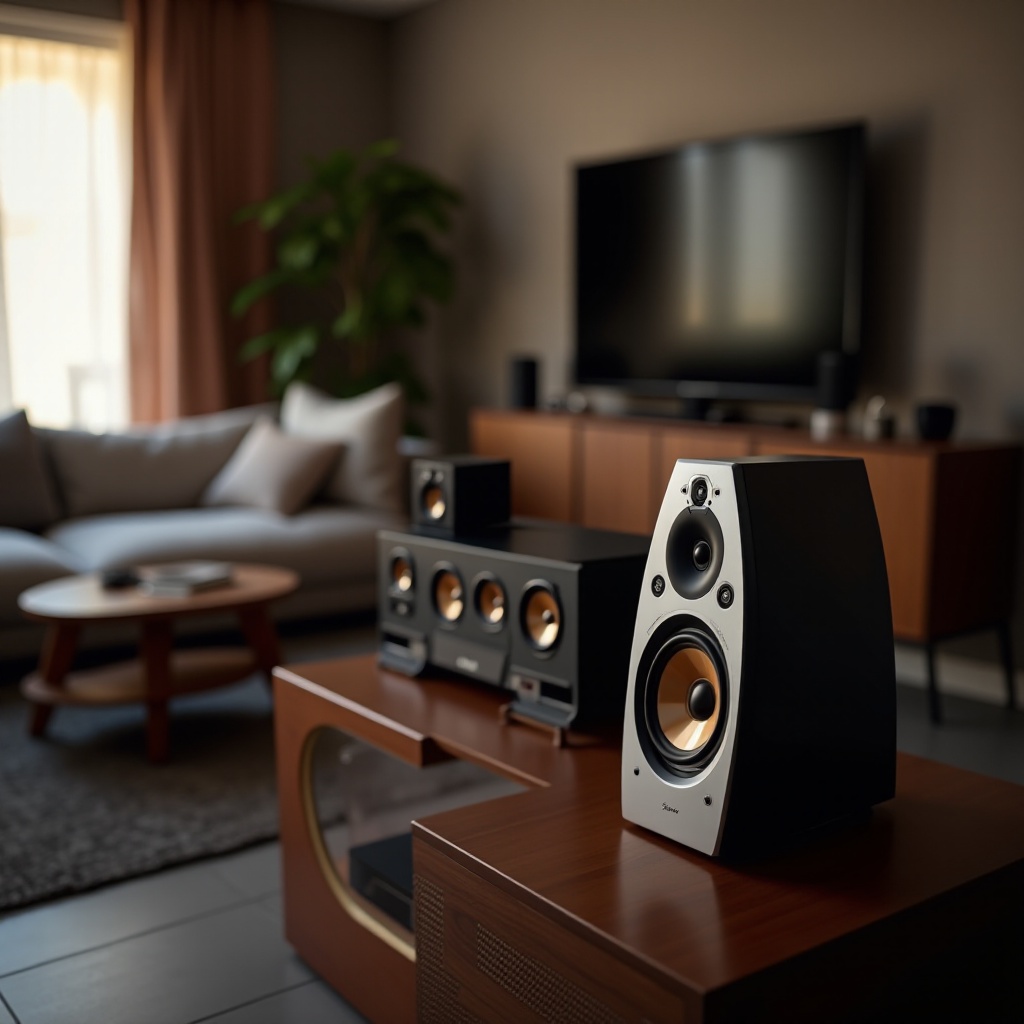
Correct placement and setup are crucial for maximizing bass performance. Here are some guidelines:
-
Room Size and Acoustics: Adjust speaker number and type based on room size. For improved acoustics, consider adding rugs and curtains to reduce echo.
-
Speaker Positioning: Position speakers away from corners and walls to prevent muddled bass and allow sound waves to disperse evenly.
Good setup practices ensure that your speakers’ full potential is realized, creating a balanced and vibrant soundscape at home.
Enhancing Bass with Additional Equipment
Beyond speakers, supplemental equipment can further boost bass quality.
-
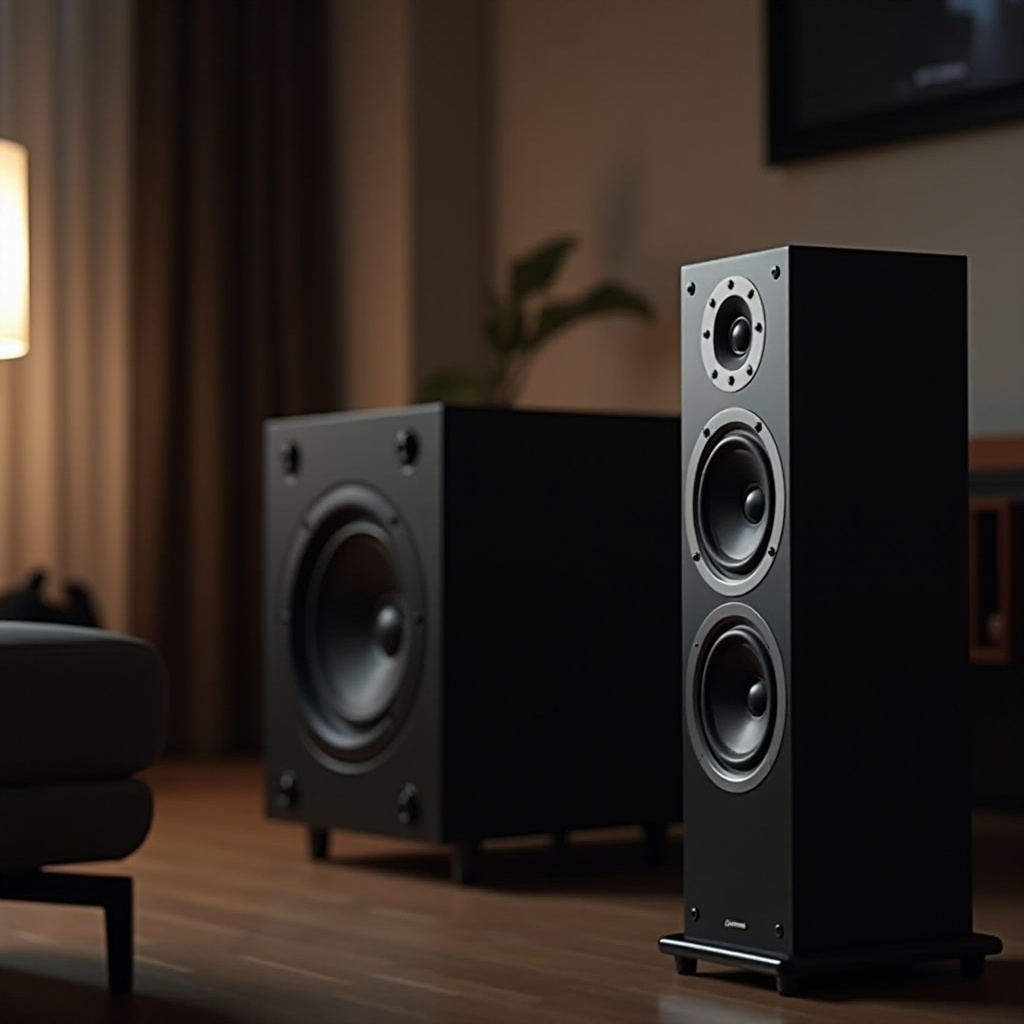
Incorporating Subwoofers: A subwoofer complements front speakers by focusing on low-frequency sounds, offering a more profound audio experience.
-
Using Equalizers and Soundbars: Utilize equalizers to customize bass levels to your liking, while soundbars can provide a streamlined solution for enhancing audio projection.
With these tools, you can ensure a complete and dynamic sound experience that fully exploits your speakers’ capabilities.
Conclusion
Finding speakers with excellent bass brings your home entertainment system to life. By considering key characteristics, best purchase options, and optimal setup practices, you ensure an enriching audio environment. With the strategies discussed, your space will resonate with rich bass that transforms daily sound experiences.
Frequently Asked Questions
How can I improve bass in my existing speakers?
Consider rearranging your current setup, adding a subwoofer, or using an equalizer to enhance bass output.
Do I need a subwoofer for home use?
While not mandatory, a subwoofer significantly improves bass performance, offering an enriched audio experience.
What is the best placement for speakers to maximize bass?
Position speakers away from walls, experiment with angles, and consider room acoustics to optimize bass delivery.